
Navigating the Commercial Glazing Industry Amidst Skilled Tradesman Shortages and Quality Fabrication Challenges
The commercial glazing industry faces a growing challenge: a steady decline in skilled tradesmen. This shortage affects every step of the process, from design to installation, but nowhere is it more critical than in the fabrication of storefront doors and hardware. These components are essential for both the functionality and aesthetics of commercial buildings. Ensuring quality and expertise in fabrication has become more important than ever to meet rising standards and client expectations.
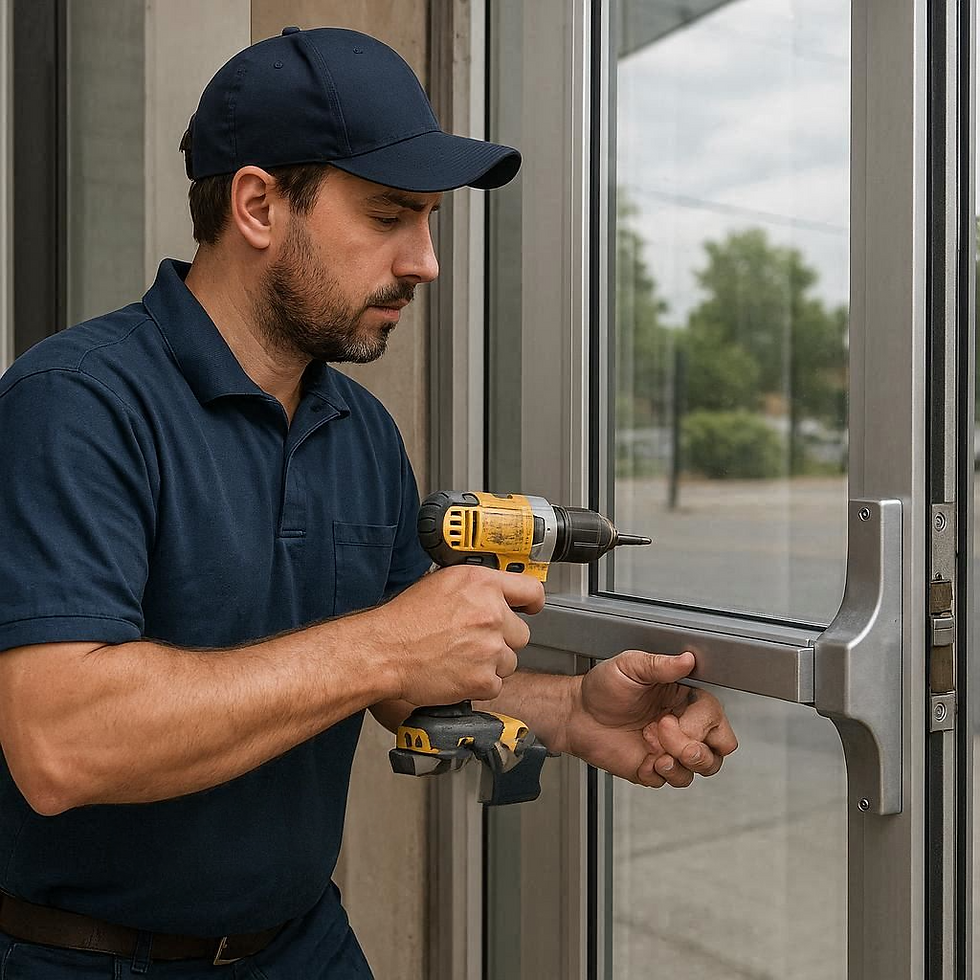
The Decline of Skilled Tradesmen in Commercial Glazing
Over the past decade, the commercial glazing industry has seen a significant reduction in the number of skilled tradesmen. Several factors contribute to this trend:
Aging workforce: Many experienced fabricators and installers are retiring, with fewer young workers entering the trade.
Lack of training programs: Vocational schools and apprenticeships have diminished, limiting new talent development.
Perceived career challenges: The physical demands and specialized skills required deter some potential workers.
This shortage creates pressure on companies to maintain quality while managing tighter schedules and budgets. Without enough skilled workers, fabrication errors increase, leading to costly delays and compromised safety.
Why Storefront Door and Hardware Fabrication Matters
Storefront doors are the first point of contact for customers and visitors. Their design and durability impact a building’s security, energy efficiency, and visual appeal. Hardware such as locks, handles, and hinges must fit precisely and function smoothly to ensure safety and ease of use.
Fabrication involves cutting, providing attachment hardware and back-up plates, and final assembly and testing to exact specifications. Mistakes in this process can cause:
Misaligned doors that do not close properly
Hardware failures leading to security risks
Poor weather sealing affecting energy costs
Aesthetic flaws that reduce curb appeal
Given these stakes, every fabrication project demands attention to detail and expert craftsmanship.
Maintaining Quality Despite Workforce Challenges
Companies in the commercial glazing sector have adopted several strategies to uphold quality amid skilled labor shortages:
Investing in training: Some firms partner with technical schools or create in-house apprenticeships to build new talent.
Using technology: Computer-aided design (CAD) and automated cutting machines help reduce human error and speed up fabrication.
Standardizing processes: Clear fabrication protocols and quality checks ensure consistency even with less experienced workers.
Hiring specialists for critical tasks: Complex hardware assembly or custom door fabrication often requires the most skilled tradesmen.
For example, a glazing company in Chicago implemented a mentorship program pairing veteran fabricators with new hires. This approach reduced errors by 30% within a year and improved project turnaround times.
Practical Tips for Ensuring Expertise in Fabrication Projects
If you manage or work with commercial glazing projects, consider these steps to guarantee quality fabrication:
Specify detailed requirements: Provide clear drawings and hardware specifications to avoid misunderstandings. Confirm all templates and shop drawings for accuracy.
Choose experienced fabricators: Verify credentials and past project quality before awarding contracts.
Communicate openly: Maintain close contact between designers, fabricators, and installers to address challenges promptly.
The Future of Commercial Glazing Fabrication
The industry must adapt to ongoing workforce challenges by embracing innovation and education. Emerging technologies like 3D printing and robotics show promise for automating parts of the fabrication process. Meanwhile, renewed focus on trade education can replenish the skilled labor pool.
Quality and expertise will remain non-negotiable. Customers expect storefront doors and hardware that perform flawlessly and last for years. Companies that invest in their people and processes will stand out in a competitive market.

Comments